##why African Creators still use live events to win##
Writing Why African Creators Still Use Live Events to Win In an age when music can reach millions of people through streaming platforms and social media, live events remain an important part of Africa’s entertainment ind…
**Writing
Why African Creators Still Use Live Events to Win
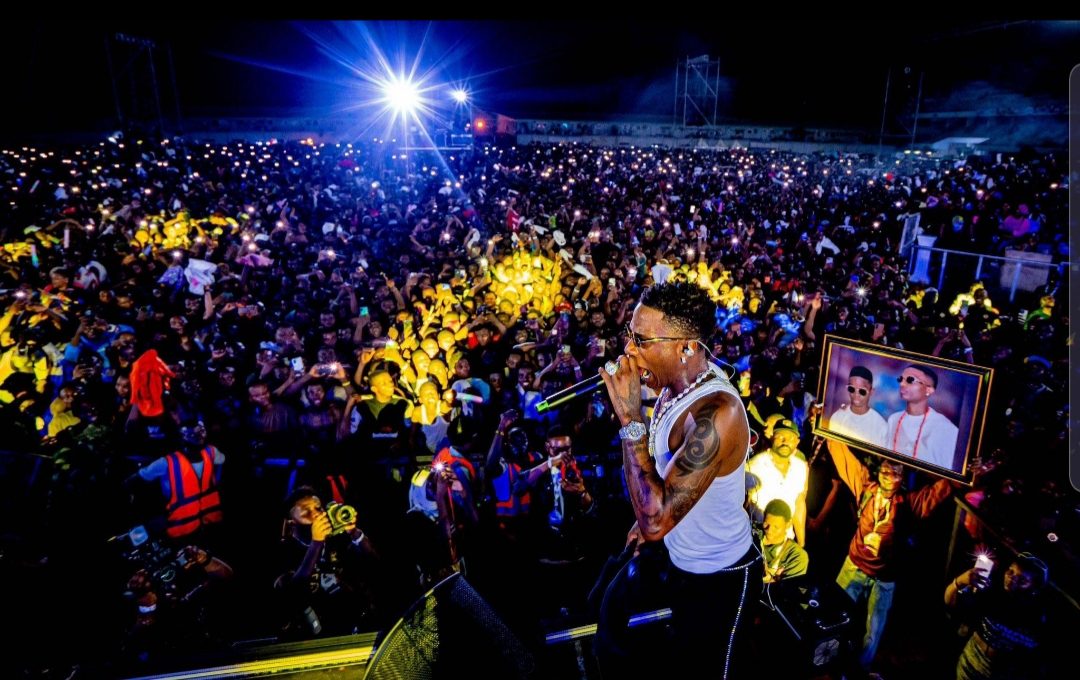
In an age when music can reach millions of people through streaming platforms and social media, live events remain an important part of Africa’s entertainment industry. From concerts in Lagos to music festivals in Accra, artistes and brands continue to bring people together through experiences that go beyond the screen.
Recent events in both cities show that live entertainment is not only about music. It is also a way to build loyal audiences, promote businesses, create jobs and connect with young people.
##Why Concerts Still Attract Large Crowds##
One major reason concerts remain popular is the experience they offer. Listening to a song online is convenient, but watching a favourite artiste perform live creates a different kind of excitement. Fans can sing along, dance, meet other supporters and share memorable moments.
In Lagos, the October 2026 Island Block Party featuring Seyi Vibez attracted a large crowd to Sol Beach in Elegushi. The singer performed songs from his music catalogue, including tracks from his album Swaggu, while other established and emerging performers also entertained the audience. The strong turnout reflected the appeal of live performances among Nigerian music fans. .
Social media also helps concerts attract audiences. Videos of performances, announcements and fan reactions can build excitement before an event and encourage more people to attend. For many young people, being part of a major concert is both entertainment and a social experience.
##How Artistes and Brands Benefit##
Live events give artistes an opportunity to strengthen their connection with fans. Performing in front of a crowd allows musicians to showcase their talent, introduce new songs and build a stronger public image. Successful performances can also increase interest in their music on streaming platforms and create opportunities for future bookings.
Brands benefit in a different but equally important way. Sponsoring a concert or organising a festival allows a company to interact directly with consumers instead of relying only on traditional advertising. Product displays, promotional activities, giveaways and on-site services can make a brand more memorable.
In Accra, events such as ShattaFest and MoMo Fest illustrate this approach. ShattaFest uses the popularity of Shatta Wale to bring fans together, while MoMo Fest combines entertainment with opportunities for MTN Ghana to promote its Mobile Money services. These events demonstrate how music can help brands engage younger audiences in a lively and interactive setting. .
The benefits also extend beyond performers and sponsors. Event organisers, sound engineers, security personnel, vendors, photographers, transport operators and hospitality businesses can all earn income from major events. Live entertainment therefore supports a wider network of workers in the creative economy.
The two cities highlight a shared opportunity: music events can bring together fans, businesses and creative professionals while supporting local economies. Their success, however, depends on more than attendance figures. Safety, organisation, audience satisfaction and meaningful partnerships also matter.
##What Makes an Event Successful?##
A successful event requires more than a popular musician or a large crowd. Good planning, quality sound, effective promotion and a well-organised programme all contribute to the experience.
Security and crowd management are particularly important. Organisers must provide safe entry and exit points, adequate security personnel and clear arrangements for handling emergencies. Comfortable facilities, reliable transport options and good communication can also improve the audience's experience.
Another important factor is value. Fans want to feel that their time and money were worthwhile. Memorable performances, smooth transitions between artistes and engaging activities can encourage people to attend future events.
For brands, success should also be measured by how effectively an event reaches its intended audience, encourages meaningful interaction and improves awareness of its products or services.
For brands, success should also be measured by how effectively an event reaches its intended audience, encourages meaningful interaction and improves awareness of its products or services.
## Lagos and Accra: Different Cities, ##Similar opportunities
Although Lagos and Accra have their own entertainment cultures and audiences, both cities demonstrate the power of live events.
Lagos provides a strong example of how popular artistes can attract large crowds and use performances to maintain momentum around their music. Accra shows how festivals can combine entertainment with youth engagement and commercial activities.
The two cities highlight a shared opportunity: music events can bring together fans, businesses and creative professionals while supporting local economies. Their success, however, depends on more than attendance figures. Safety, organisation, audience satisfaction and meaningful partnerships also matter.
#The Future of Live Entertainment
Digital platforms will continue to influence how African music is promoted and consumed, but they are unlikely to replace the excitement of live performances entirely. Instead, online promotion and physical events can work together, helping artistes reach wider audiences and giving brands more opportunities to engage with consumers.
As Africa's creative industries grow, live events will remain valuable spaces for discovering talent, building communities and generating business opportunities.
Ultimately, the real power of a successful event lies in its ability to create an experience that people remember long after the music stops.**
Sources
Version 1.0. LDCP Network stories are edited before publication and updated as facts change. Spotted an error? Tell our editors.