Sarkodie, Lydia Forson Renew Calls for Investment in Ghana’s Film Industry
Ghana’s film industry has received renewed attention following a call by award-winning rapper Sarkodie for increased government investment, with actress Lydia Forson supporting his position and highlighting the economic…
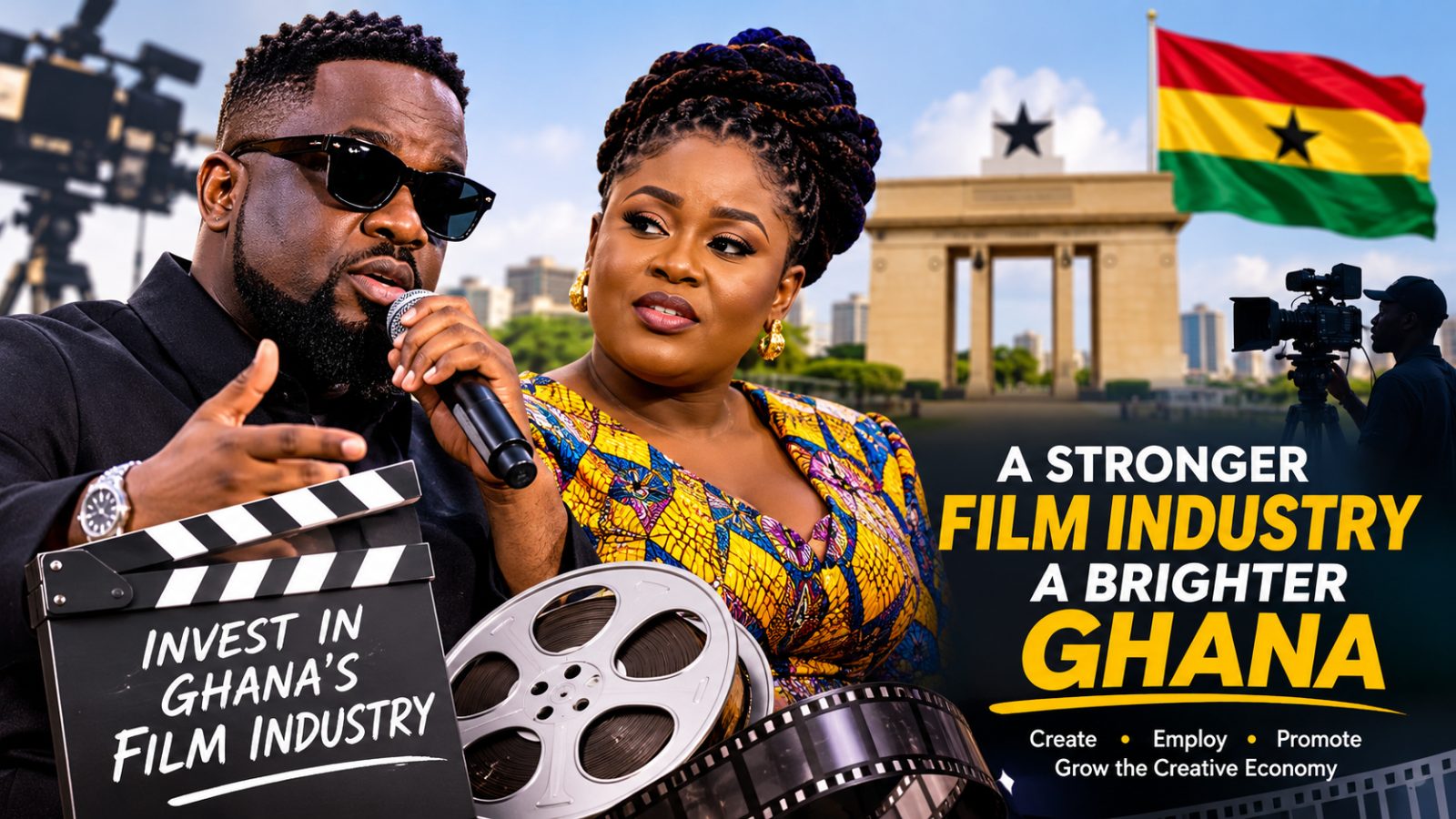
Ghana’s film industry has received renewed attention following a call by award-winning rapper Sarkodie for increased government investment, with actress Lydia Forson supporting his position and highlighting the economic importance of the creative sector.
The discussion has reignited conversations about the role of filmmaking in national development and why the industry should be treated as a serious business rather than merely a source of entertainment.
Sarkodie Calls for Greater Government Support
On November 19, 2026, Sarkodie called on the Ghanaian government to increase investment in the country's film industry, arguing that creative storytelling could help promote Ghana internationally and attract tourism and investment.
Drawing comparisons with Hollywood, the rapper explained how American films have influenced global perceptions of the United States, making people around the world interested in visiting the country.
He argued that Ghana and other African countries have similar opportunities but have not fully utilised the power of their creative industries to tell their own stories.
Sarkodie also expressed concern about the limited attention given to the creative sector in government budget allocations. He maintained that filmmaking requires skilled professionals, quality production and adequate financial resources.
He therefore urged the government to recognise cinema as an important tool for nation-building, cultural promotion and international visibility.
Lydia Forson Backs Sarkodie's Position
Actress Lydia Forson supported Sarkodie's call, describing the conversation about investment in the creative industry as long overdue.
According to Forson, film, music, advertising and other creative works have the potential to influence people's decisions to visit a country, establish businesses or consider investment opportunities.
She explained that a single day on a film set could provide employment for approximately 30 people, including actors, make-up artists, costume designers and other production professionals.
Forson also challenged the perception that creative work is simply entertainment, pointing out that the industry supports several businesses and creates income opportunities for different professionals.
She further stressed that producing quality films is not enough without proper marketing and distribution. In her view, making a film and ensuring that people get to watch it are two different responsibilities, and both require adequate funding.
However, she also encouraged creatives to take their work, professional agreements and financial negotiations more seriously to help build a sustainable industry.
Why the Film Industry Is Also a Business
The conversation highlights an important reality: the film industry is more than entertainment; it is an economic sector.
Every film production involves financial planning, employment, equipment, transportation, clothing, accommodation and several other services. These activities create income opportunities for individuals and businesses.
A well-produced and properly marketed film can also attract international audiences, encourage tourism and introduce a country's culture, traditions and beautiful locations to people across the world.
Furthermore, investment in filmmaking can create opportunities for young professionals, support local businesses and allow African stories to reach international audiences.
However, these opportunities require more than producing films. Sustainable funding, professional standards, effective marketing and reliable distribution channels are essential to building a profitable industry.
A Bigger Conversation About Ghana's Creative Future
The positions expressed by Sarkodie and Lydia Forson point to a shared concern about how Ghana values and supports its creative professionals.
Their comments suggest that the government, private investors and industry stakeholders must recognise the creative sector as a potential driver of economic growth.
Ultimately, investing in Ghana's film industry is also an investment in employment, tourism, cultural identity and international visibility. The challenge now is turning these conversations into practical support that will allow the industry to grow and compete on the global stage.
Version 1.0. LDCP Network stories are edited before publication and updated as facts change. Spotted an error? Tell our editors.