King Promise and the Future of Ghanaian Pop: Can the Ghanaian Star Take His Sound Further Across Africa?
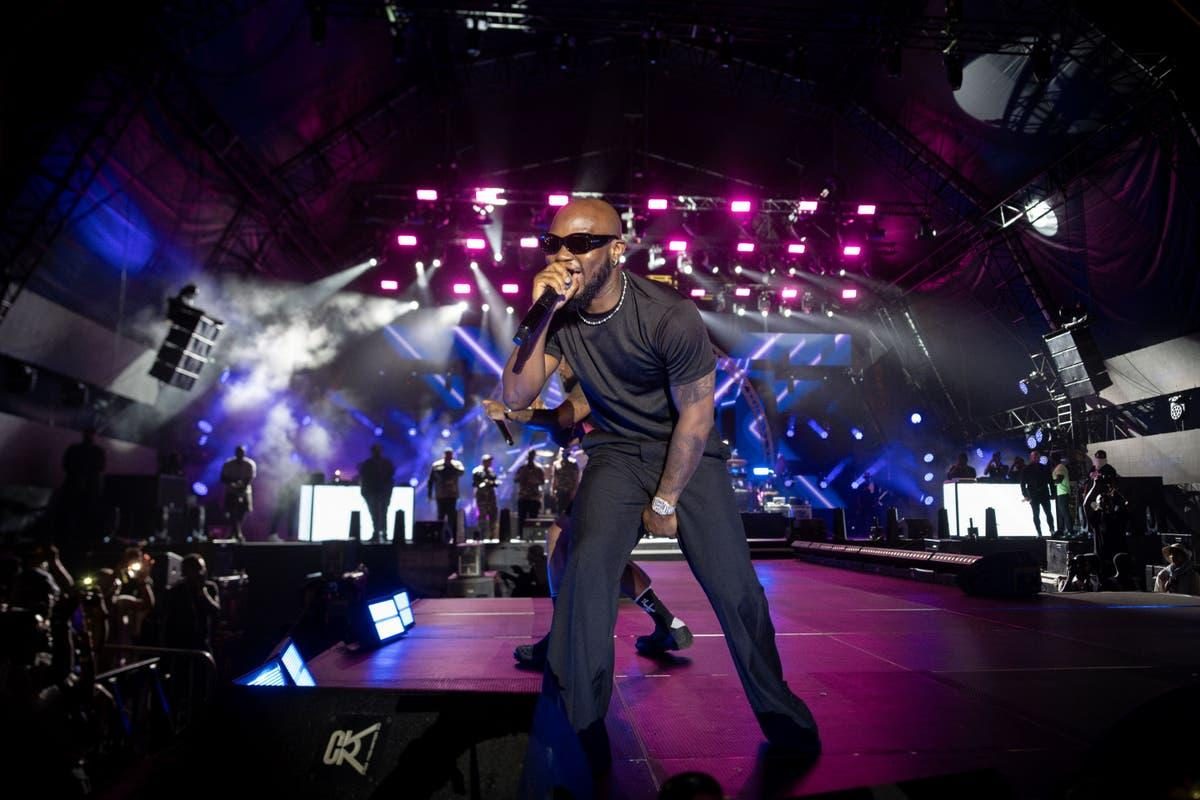
Ghanaian music has never lacked talent, creativity or the ability to produce records that travel beyond its borders. From the infectious rhythms of Azonto to the evolution of contemporary Afrobeats, Ghana has played an important role in shaping the sound of modern African pop music. Yet, as Nigerian artistes continue to dominate international conversations about African music, a question is gaining attention: can Ghanaian pop reclaim a bigger position on the continental and global music scene?
One artiste increasingly associated with that possibility is Gregory Bortey Newman, popularly known as King Promise.
The Ghanaian singer is back in the spotlight following a November 5, 2026, feature by Pulse Nigeria titled Can King Promise Take Ghanaian Pop Music to the Promised Land? The article examines his musical journey, his connections with Nigerian artistes and his potential to help Ghanaian music achieve greater international recognition.
The discussion comes at an interesting moment in King Promise's career. With an established catalogue of popular records, a growing international audience, successful collaborations and a fresh musical release, he represents a generation of Ghanaian artistes seeking to expand their influence beyond the country's borders.
However, the conversation is bigger than one musician's success. It touches on the relationship between Ghana and Nigeria, the shared history of West African popular music and the opportunities available to African artistes in an increasingly connected music industry.
Why King Promise Is Trending Again
King Promise's name is attracting renewed attention because of the growing discussion about whether he can become one of the leading figures responsible for taking Ghanaian pop music to another level.
The Pulse feature places him at the center of this conversation, highlighting his consistency, musical versatility and ability to build relationships with influential artistes across different African markets.
His latest single, Melody, also gives the discussion a timely musical connection. Released in October 2026, the song showcases his familiar blend of Afrobeats, Ghanaian highlife influences and contemporary R&B. Its romantic theme, smooth vocals and catchy approach demonstrate the style that has helped establish his identity in African pop music.
King Promise has spent years developing a sound that appeals to listeners beyond Ghana. Rather than limiting himself to one musical style, he moves comfortably between Afrobeats, highlife, R&B and mainstream pop.
This flexibility is important in today's music industry, where listeners discover songs through streaming platforms, social media and international collaborations. An artiste who can appeal to different audiences has more opportunities to build a lasting presence across markets.
His previous records, particularly Terminator, helped strengthen his international profile. The song became one of his most recognizable releases and demonstrated his ability to create music that connects with audiences outside his home country.
His growing visibility, therefore, is not simply the result of one new release or one media feature. It reflects a career built around consistent music production, strategic collaborations and an understanding of the changing African music landscape.
King Promise's Nigerian Connections and the Power of Collaboration
One of the strongest reasons King Promise is part of this conversation is his long-standing relationship with Nigerian musicians. His career demonstrates how musical partnerships can create opportunities for artistes to reach audiences beyond their national markets.
Perhaps his most significant Nigerian connection is Mr Eazi. Their relationship goes beyond occasional guest appearances. The two musicians have developed a creative partnership over several years, producing records that combine Ghanaian and Nigerian musical influences.
Their collaborations include Dabebi (2018), Call Waiting (2019), Baby, I'm Jealous (2020) and See What We've Done. In April 2026, they released their joint nine-track project, also titled See What We've Done, further demonstrating the strength of their musical relationship.
The partnership is particularly interesting because Mr Eazi has a strong connection to Ghana himself. The Nigerian-born singer developed an important part of his musical identity while living in Accra. His Banku music sound, which combines elements of Ghanaian highlife and Nigerian Afropop, provides a natural meeting point for both artistes.
King Promise has also worked with other Nigerian performers, strengthening his presence in the country's competitive music market.
His Terminator remix featuring Nigerian singer and producer Young Jonn introduced another successful cross-border partnership. He also featured Nigerian singer Mayorkun and British-Nigerian artiste Darkoo on the remix of Camidoh's popular record Sugarcane.
Another notable connection is his collaboration with Nigerian street-pop star Shallipopi on Continental. These records illustrate his willingness to work across different sounds and musical audiences rather than remain within Ghana's music market.
These collaborations are important for several reasons. First, Nigerian artistes have access to a large domestic audience and an extensive international listening community. Working with established performers can introduce Ghanaian musicians to listeners who might not otherwise discover their music.
Second, collaborations allow artistes to exchange creative ideas. Different vocal styles, production approaches, rhythms and cultural influences can produce records that appeal to wider audiences.
However, King Promise's Nigerian connections should not be viewed simply as a strategy for benefiting from Nigeria's music industry. The relationship is better understood as a two-way cultural exchange in which both countries contribute to the development of African pop music.
What King Promise's Rise Says About Ghanaian Pop Music Today
The conversation surrounding King Promise also highlights the opportunities and challenges facing Ghana's contemporary music industry.
Ghana has a rich musical history, with highlife playing a significant role in the development of popular music across West Africa. The country has also produced influential sounds such as Azonto, which enjoyed considerable popularity across the continent during the early 2010s.
One memorable example was Sarkodie's U Go Kill Me, featuring E.L. The song helped popularise Azonto and inspired further musical exchanges involving Nigerian artistes, including Wizkid and Ice Prince on its remix.
British-Ghanaian musician Fuse ODG also helped take the Azonto movement to international audiences with his music and dance-focused videos.
These developments demonstrated that Ghanaian music could influence the wider African music industry rather than simply follow international trends.
Today, however, Nigeria enjoys considerable international visibility through its Afrobeats stars, including Wizkid, Davido and Burna Boy. Its large domestic market, extensive entertainment infrastructure, international partnerships and strong diaspora connections have helped Nigerian music gain recognition around the world.
Ghanaian artistes face a different market environment. Although the country has produced internationally recognized performers, converting individual successes into sustained industry-wide growth remains a challenge.
Nevertheless, the talent is evident.
Artistes such as King Promise, Black Sherif, Stonebwoy, Sarkodie, Gyakie and Amaarae continue to demonstrate the variety of music coming out of Ghana.
King Promise's career is particularly interesting because he represents a style of Ghanaian pop that can maintain its cultural identity while appealing to international listeners. His music does not completely abandon its Ghanaian influences to fit into the broader Afrobeats movement.
Instead, he combines highlife-inspired melodies, contemporary production, R&B influences and modern Afropop rhythms to create a recognizable musical identity.
His recent international activities also suggest that his ambitions extend beyond streaming numbers. From international collaborations and performances to his Promise land Festival, he has continued to build connections between Ghanaian music and wider audiences.
Can King Promise Take Ghanaian Music to the Next Level?
The big question is whether King Promise can become one of the leading figures responsible for pushing Ghanaian pop music further across Africa.
There are encouraging signs. He has an established catalogue, a recognizable sound, international collaborations and a growing audience. His relationship with Mr Eazi also demonstrates how sustained creative partnerships can produce more meaningful results than one-off collaborations.
His latest release, Melody, provides another opportunity to strengthen his position. The song represents a fresh chapter in his solo career and precedes his anticipated next album, planned for 2027.
Still, one artiste cannot single-handedly transform an entire national music industry.
For Ghanaian music to achieve greater international success there must be stronger support for emerging musicians, improved music promotion, more international distribution partnerships, investment in live performances and greater collaboration between Ghanaian record labels, producers and entertainment companies.
The industry must also find ways to turn viral songs into long-term international careers. A successful collaboration or trending record can introduce an artiste to new listeners, but consistency, quality releases and effective promotion are what help maintain that attention.
King Promise can certainly contribute to this process. His career offers an example of how Ghanaian musicians can build international relationships without losing the musical identity that makes their work distinctive.
Ultimately, the discussion should not become a competition between Ghana and Nigeria. Both countries have contributed significantly to African pop music, and their continued musical exchange can benefit the wider continent.
If King Promise succeeds in taking his music further, his achievement could represent more than an individual career milestone. It could also help renew international interest in Ghanaian pop and create opportunities for other Ghanaian musicians.
For now, the question raised by Pulse Nigeria is worth considering. King Promise has the experience, musical connections and creative versatility to help Ghanaian music reach new audiences. Whether he can turn that potential into another major African pop moment remains to be seen.
One thing is clear: Ghanaian music has a story worth telling, and King Promise is among the artistes helping to tell it.
Version 1.0. LDCP Network stories are edited before publication and updated as facts change. Spotted an error? Tell our editors.