How to Tell If a Celebrity Story Online Is Really True
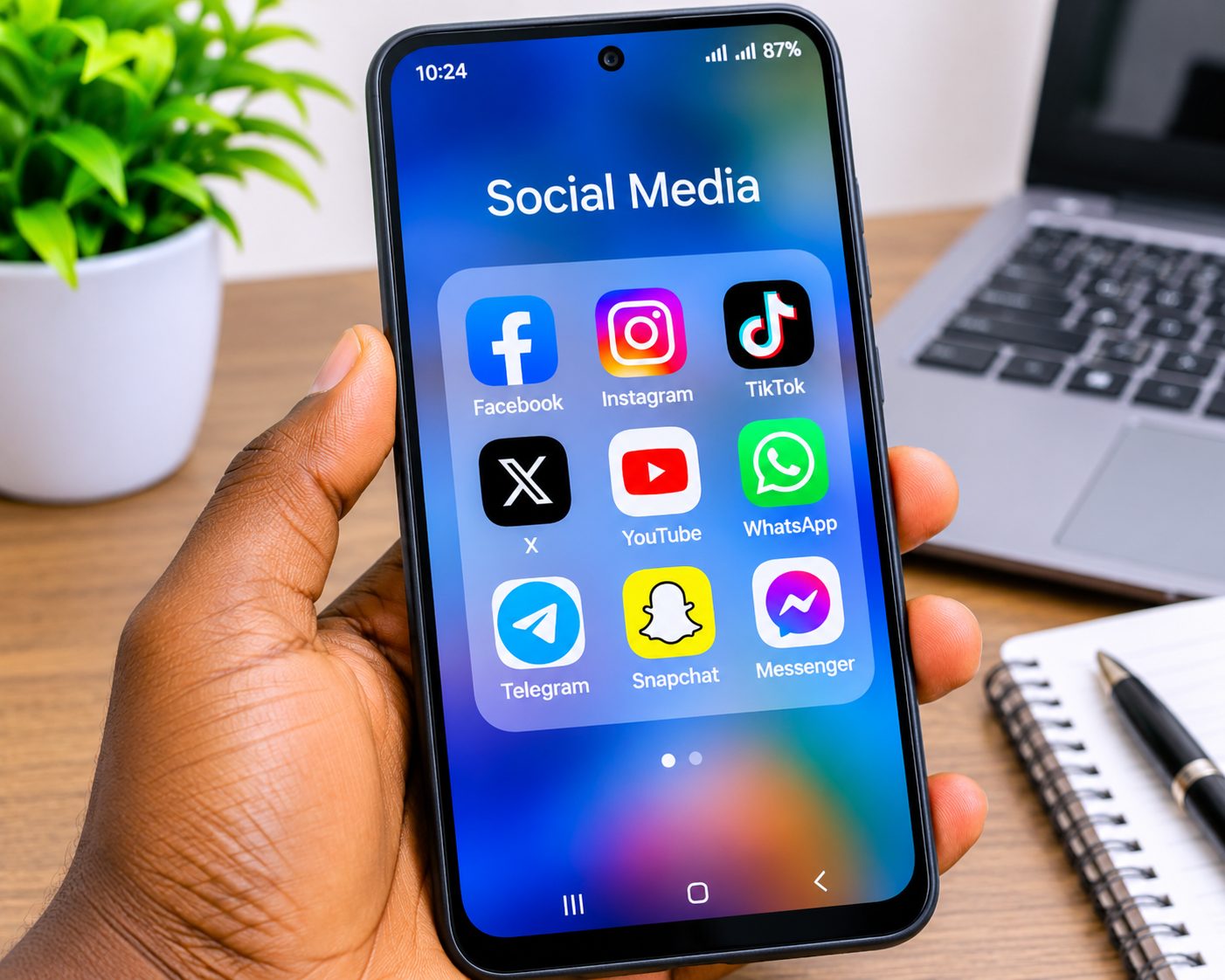
Social media has changed the way people receive entertainment news. Today, millions of people use platforms such as Facebook, Instagram, TikTok, X and WhatsApp to follow their favourite celebrities and stay updated on the latest happenings in the entertainment industry. From celebrity relationships and weddings to music releases, controversies and career achievements, information spreads across the internet within minutes.
However, not everything shared online is true. Fake celebrity stories, misleading headlines, edited photographs and old videos presented as recent events have become common problems. Sometimes, people unknowingly spread false information simply because a story looks interesting or has received thousands of reactions.
The good news is that identifying misleading celebrity stories does not require special technical knowledge. With a few simple steps, anyone can learn how to verify information before believing it or sharing it with others.
Here are practical ways to determine whether a celebrity story circulating online is genuine.
1. Check Trusted News Websites First
One of the most reliable ways to verify celebrity news is to check established news organisations. Professional media outlets usually have editorial teams and journalists responsible for gathering and reviewing information before publication.
In Nigeria, publications such as PUNCH and Premium Times provide entertainment news and reports about public figures.
For instance, if you come across a Facebook post claiming that a popular Nigerian musician has been arrested, married or involved in a major controversy, do not immediately believe it. Visit a trusted news website and search for the same information.
If the story is important, check whether other credible publications have independently reported it. Pay attention to the publication date, the journalist's name and whether the report provides reliable sources.
You can explore these entertainment news sections:
PUNCH Entertainment: https://punchng.com/topics/entertainment/�
Premium Times Entertainment: https://www.premiumtimesng.com/category/entertainment�
Remember that a story appearing on one website does not automatically make it true. Always examine the evidence provided.
2. Check the Celebrity's Official Social Media Accounts
Celebrities frequently use social media to communicate directly with their fans. Platforms such as Instagram, Facebook and X allow public figures to make announcements, respond to rumours and share personal updates.
Whenever you see a story claiming that a celebrity has made an important announcement, visit their official social media account to confirm it.
For example, if a post claims that Nigerian musician Davido has announced a new music project, check his official Instagram page to see whether the information has been confirmed.
Be careful with fake accounts. Some people create profiles using celebrities' names and photographs to deceive followers. Look beyond the profile picture and examine the username, account history, previous posts and links to other official platforms.
A verified badge can be helpful, but it should not be the only thing you consider when checking an account's authenticity.
3. Watch Out for Old Videos and Misleading Captions
Another common method of spreading misinformation is using old photographs and videos with completely different captions.
For example, a video recorded during a celebrity's concert several years ago might suddenly appear online with a caption suggesting that the event happened yesterday.
This can easily mislead people who are unfamiliar with the original incident.
Before accepting such content as genuine, check when it was originally published. Look at the background, clothing, location and other details that might help establish when the event happened.
You can also use Google Lens to search for an image and discover whether it has appeared elsewhere online.
Always remember that a genuine photograph or video can still be used to tell a completely false story.
4. Compare Information From Different Sources
Never depend on a single social media post when investigating an important celebrity story.
If you encounter a serious allegation or major announcement, search for the same information across multiple credible sources.
For example, if a celebrity is reportedly involved in a legal issue, look for confirmation from reliable news organisations or an official statement from the person's management team.
Be cautious when several blogs publish exactly the same information without identifying where it originated. Repeating an unverified claim does not make it factual.
Comparing information from different sources helps readers identify inconsistencies and avoid accepting rumours as established facts.
5. Be Careful With Sensational Headlines
Some websites and social media accounts use exaggerated headlines to attract attention, generate clicks and increase engagement.
You may come across headlines such as "Popular Nigerian Celebrity Dies Suddenly" or "Famous Musician Makes Shocking Confession."
Although these headlines might look convincing, the actual content may tell a completely different story.
Some publications deliberately use emotional language to encourage people to click without providing sufficient evidence.
Whenever you encounter a sensational headline, read the entire article rather than relying on the headline alone.
Check whether the article provides clear details, supporting evidence and credible sources. If the information cannot be verified, avoid sharing it as confirmed news.
6. Understand the Difference Between Rumours and Confirmed Reports
Not every celebrity story circulating online is a confirmed report.
Sometimes, information begins as speculation from fans, entertainment bloggers or anonymous social media accounts. Other people then repeat the information until it starts appearing like an established fact.
For example, rumours about a celebrity relationship may begin because two public figures were seen together at an event. That alone does not prove that they are dating.
Readers should understand the difference between speculation, personal opinions, allegations and confirmed information.
Responsible news consumption requires patience. It is better to wait for reliable confirmation than to spread information that could damage someone's reputation.
7. Think Before Sharing Celebrity Stories
Before forwarding a celebrity story to a WhatsApp group, reposting it on Facebook or publishing it on another platform, take a moment to verify its authenticity.
Ask yourself three simple questions:
Where did the information originally come from?
Is there reliable evidence supporting the claim?
Has the celebrity or another credible source confirmed the information?
If you cannot find convincing answers, it is better not to share the story.
Sharing false information can create unnecessary panic, damage reputations and mislead thousands of people. Everyone has a responsibility to make the internet a more reliable place.
Conclusion
The internet provides endless opportunities to follow celebrities and enjoy entertainment news, but it also requires users to become more responsible with the information they consume.
Identifying fake celebrity stories is not difficult. Checking trusted news websites, visiting official social media accounts, investigating old videos, comparing different sources and avoiding sensational headlines can make a significant difference.
You do not need to be a professional journalist to practise responsible information sharing. You only need to develop the habit of checking before believing.
The next time you encounter a shocking celebrity story online, take two minutes to investigate it before sharing it with others.
Remember: Not everything trending online is true. Verify the information, protect people's reputations and always think before you share.
Sources
Version 1.0. LDCP Network stories are edited before publication and updated as facts change. Spotted an error? Tell our editors.