How to Identify Fake Celebrity Posts in the Age of AI and Social Media Scams
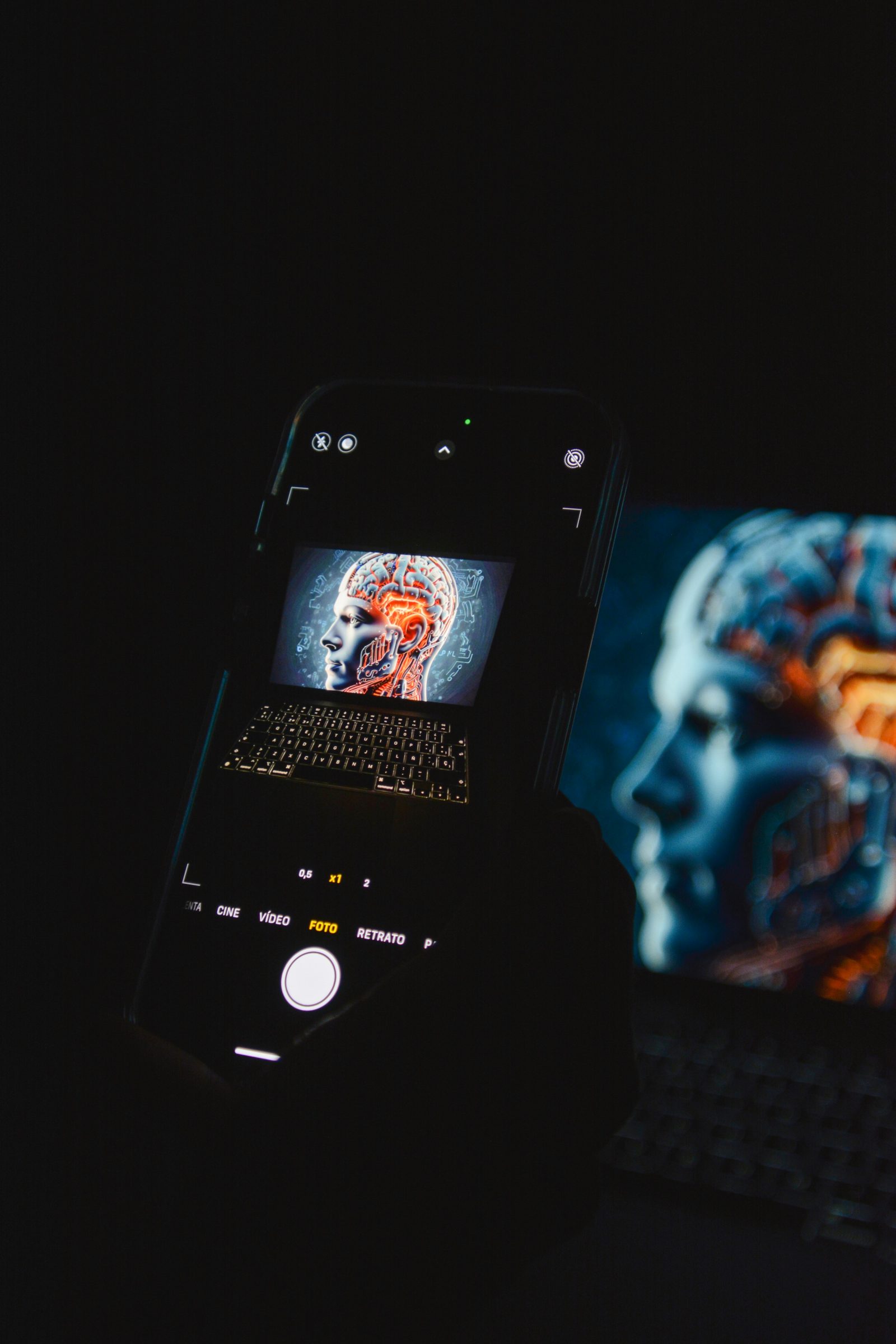
We live in an evolving society driven by advanced technology and digital tools that have improved our quality of life and made everyday activities more seamless. While we continue to leverage the benefits of technology and social media in this digital age, it is equally important to recognize their potential pitfalls.
The emergence of artificial intelligence (AI) tools from technology companies such as Meta, Google and OpenAI has significantly changed the way content is created and consumed. These tools have permeated social media at a rapid pace, making it increasingly difficult to distinguish between authentic content and computer-generated material.
While some AI-generated videos may appear amusing and entertaining, others have wreaked havoc on people's lives and contributed to the spread of misinformation and fake news. The growing use of AI-generated images and videos has also created new opportunities for scammers and cybercriminals to deceive unsuspecting social media users.
In October 2026, Nigerian actor IK Ogbonna took to his Instagram account to warn fans about fraudsters impersonating him online. According to the actor, individuals were using his photographs and identity to deceive women, solicit money and gift cards, and obtain personal information under false pretences. His warning highlights how easily the identity of a public figure can be exploited to manipulate unsuspecting social media users.
As much as we would like to believe that such incidents are unlikely to happen to us, the reality is that anyone can become a victim of digital deception. Social media feeds are increasingly becoming a mixture of real-life content and computer-generated footage, leaving users struggling to distinguish between what is authentic and what is fabricated.
Across Nigeria and other African countries, viral celebrity posts, misleading captions and fabricated stories continue to attract attention and generate conversations online. Consequently, it has become imperative for social media users to develop the ability to identify fake celebrity posts, recognise impersonation accounts and verify viral information before believing or sharing it.
7 Ways to Identify Fake Celebrity Posts on Social Media
With the increasing sophistication of AI technology and the growing spread of misinformation, identifying fake celebrity posts requires more than simply looking at a photograph or watching a video. Here are seven practical ways to determine whether a viral celebrity post is authentic or fabricated.
- Check the Celebrity's Official Social Media Page One of the easiest ways to verify a viral celebrity post is to check the celebrity's official social media accounts. Many celebrities maintain active and verified accounts on platforms such as Instagram, Facebook, TikTok and X.
If a controversial announcement, giveaway, personal statement or promotional video is circulating online, visit the celebrity's official pages to establish whether they actually published it.
Pay close attention to the account name and username. Scammers sometimes create accounts with names that closely resemble those of popular celebrities, changing a letter, adding an underscore or including additional numbers to make the account appear genuine.
Although a verification badge can help establish authenticity, it should not be your only means of verification. Examine the account's posting history, linked social media pages and other identifying details.
- Examine the Account Sharing the Post
Fake celebrity accounts are increasingly common on social media. Scammers sometimes create accounts using celebrities' photographs, names and personal details to deceive unsuspecting followers.
Pay attention to unusual spellings, recently created accounts, suspicious follower activity and inconsistent posting patterns.
Also, be cautious of accounts that claim to represent a celebrity but redirect followers to private messaging platforms to request money or personal information.
If an account appears suspicious, visit the celebrity's other official platforms to see whether they have acknowledged or linked to that account.
- Look Out for AI-Generated Images and Videos
AI-generated images and videos are becoming increasingly realistic. However, some manipulated content may contain visual or audio inconsistencies that reveal its artificial origins.
When watching a suspicious video, pay attention to facial expressions, eye movements, hand gestures, lip movements and background details. Look out for unnatural facial movements, distorted objects, inconsistent lighting and voices that do not synchronise with the speaker's lips.
Nevertheless, these signs are not foolproof. Some sophisticated AI-generated videos may appear convincing, making it necessary to verify the original source rather than relying entirely on visual inspection.
You can also use reverse image search tools such as Google Lens and TinEye to investigate whether a photograph has appeared elsewhere online or has been taken from an unrelated source.
- Verify Sensational Celebrity Stories with Trusted News Platforms
Viral celebrity stories often attract attention because of their sensational headlines, controversial statements and shocking revelations. However, not everything circulating on social media is factual.
Before believing or sharing such information, check reputable entertainment news platforms and independent fact-checking organizations to establish whether the story has been reported elsewhere.
If a celebrity is allegedly involved in a controversy, making a major announcement or facing public criticism, search for independent reports confirming the development.
Look for the original interview, statement, video or social media post rather than relying solely on screenshots, forwarded messages and unverified blogs.
Remember that the number of shares, comments and reactions a post receives does not determine its authenticity. A story can trend online and still be false.
- Check the Date and Context of Old Videos
Not every misleading celebrity post is created using artificial intelligence. Sometimes, content creators and scammers recycle old photographs, interviews and videos, attaching misleading captions to make them appear current.
For instance, a video of a celebrity discussing an issue several years ago could resurface with a caption suggesting that the individual has made a recent statement. Similarly, an old interview can be edited or presented out of context to create controversy or spread misinformation.
Before sharing a viral video, check when it was originally published and whether the caption accurately represents what the celebrity said.
Look for the original interview or video and compare it with the version circulating online. You can also use Google Lens or other reverse search tools to investigate the original appearance of an image.
Remember, an authentic video can still carry a false or misleading caption.
- Be Wary of Private Messages and Financial Requests
One of the most dangerous forms of celebrity impersonation involves scammers pretending to be popular entertainers to establish romantic relationships with unsuspecting individuals.
They may use stolen photographs, AI-generated images, fake profiles and fabricated personal stories to gain people's trust. Eventually, they may request money for emergencies, travel expenses, medical bills or other fabricated situations.
Be cautious of anyone claiming to be a celebrity who suddenly sends you private messages, declares romantic interest or requests financial assistance.
Never transfer money, share your banking details or disclose sensitive personal information simply because someone claims to be a public figure. When in doubt, disengage, block and report the suspicious account.
- Use Social Media Safety Resources
Social media platforms provide safety resources to help users recognise suspicious accounts, report impersonation and protect themselves against online scams.
Instagram, for example, has a dedicated Safety Centre where users can access information about account security, privacy settings, suspicious activities and reporting mechanisms.
Social media users are encouraged to familiarize themselves with these resources and report accounts that impersonate celebrities or attempt to defraud others.
You can visit Instagram's official Safety Centre here:
https://about.instagram.com/safety
Useful Digital Tools for Verifying Online Content
Social media users do not have to rely solely on their judgement when investigating suspicious posts. Several digital tools can help establish the origin and credibility of online content.
Google Lens: This tool allows users to search for images across the internet. By uploading a suspicious photograph, you may discover whether it has previously appeared on another website or belongs to a different individual.
TinEye: This is another reverse image search tool that helps users find where an image appears online and identify other versions of the same photograph.
Google Fact Check Explorer: This tool helps users search for fact-checking reports on claims, photographs and stories that have circulated online.
InVID Verification Plugin: This provides useful tools for examining online videos, extracting keyframes and conducting reverse image searches to investigate the origin of video content.
Although these tools can help identify manipulated or misleading content, none guarantees that an image or video is authentic. It is always advisable to cross-check information using multiple reliable sources.
A Two-Minute Checklist Before Sharing a Viral Celebrity Post
Before forwarding that sensational celebrity video or sharing a controversial post, take two minutes to complete these simple checks:
Check the username: Does the account name match the celebrity's official social media handle?
Check the original post: Can you find the same information on the celebrity's official page?
Check the date: Is the video recent, or is an old clip being circulated with a misleading caption?
Check the source: Have reputable entertainment news organizations reported the same story?
Check the content: Are there signs of manipulation, misleading editing or AI-generated footage?
Check the request: Is the account asking for money, gift cards or sensitive personal information?
If you cannot establish the authenticity of a post, do not share it. Take time to investigate before allowing misleading information to spread.
Conclusion
The digital age has made information more accessible and communication easier, but it has also created new challenges for social media users. As artificial intelligence continues to evolve, scammers are finding increasingly sophisticated ways to impersonate celebrities, manipulate images and videos, and exploit people's trust.
While it may be difficult to identify every AI-generated image or manipulated video, exercising caution and verifying information before sharing it can significantly reduce the risk of falling victim to online scams.
Ultimately, not everything that trends on social media is true, and not everyone behind a celebrity's photograph is who they claim to be. In an age where technology can make fiction look like reality, think before you click, verify before you believe, and investigate before you share.
Sources
Version 1.0. LDCP Network stories are edited before publication and updated as facts change. Spotted an error? Tell our editors.