Guide: How to Check If Viral Celebrity News Is Real
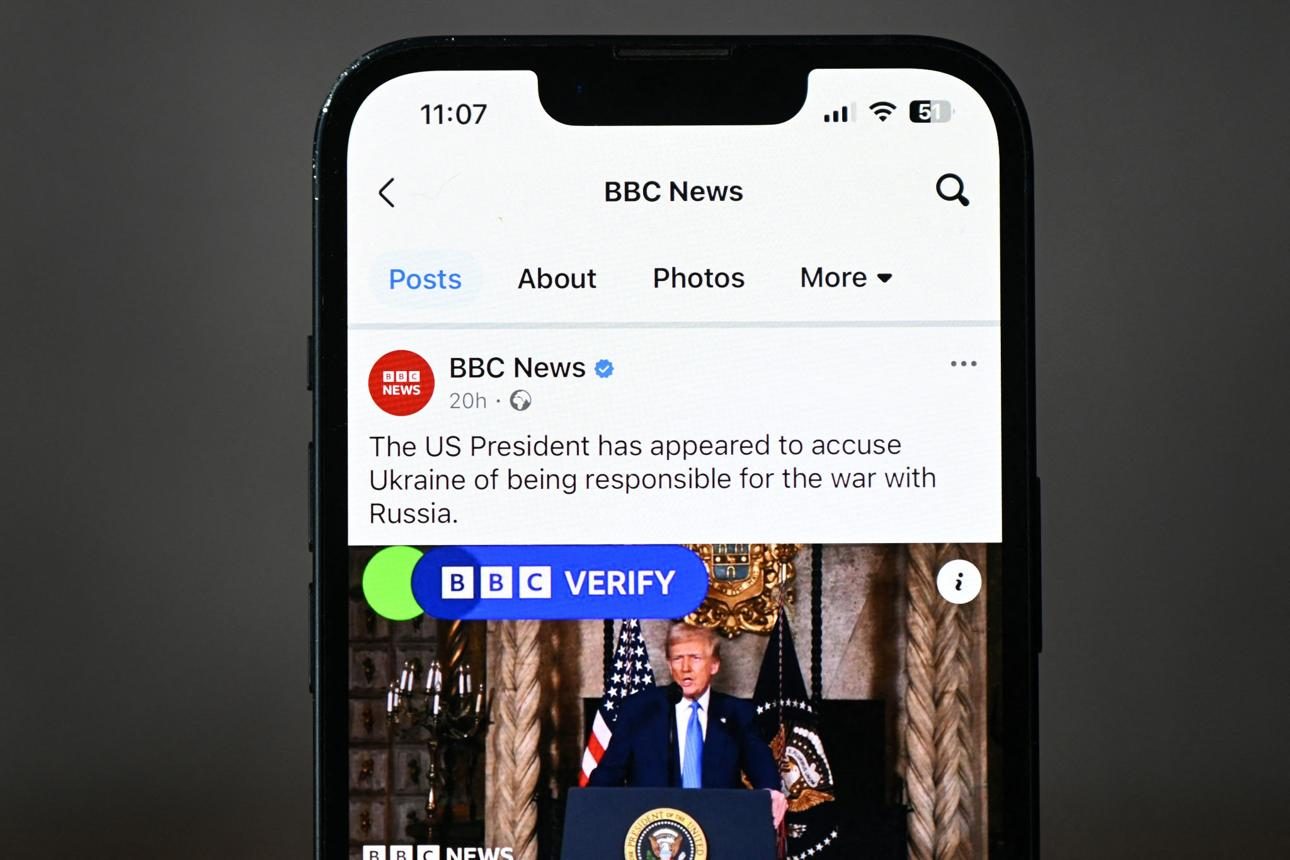
Introduction
Social media has made it easier than ever for celebrity news to reach millions of people within minutes. From relationship rumours and celebrity deaths to surprise announcements and controversial videos, information spreads quickly across platforms such as Instagram, TikTok, Facebook and X. However, not everything shared online is accurate. Some stories are exaggerated, taken out of context or completely false.
For readers, knowing how to separate genuine celebrity news from misleading information is becoming increasingly important. Before believing or sharing a viral post, it is worth taking a few simple steps to establish whether the information is trustworthy.
- Check the Celebrity’s Official Social Media Pages
One of the easiest ways to investigate a celebrity-related claim is to visit the person’s official social media accounts. Public figures often use platforms such as Instagram, X and Facebook to communicate directly with their followers.
For example, if a post claims that a popular musician has announced a retirement, check whether the announcement appears on the musician’s official account. The same applies to reports about engagements, new projects, personal announcements or major career decisions.
Be careful when identifying official accounts. Look at the account’s history, previous posts, audience engagement and links from the celebrity’s recognised website or other established accounts. A verification badge can be useful, but it should not be treated as absolute proof that an account or every post is authentic.
If the celebrity has not addressed the claim, that does not automatically mean it is false. However, it is a good reason to investigate further instead of accepting the story immediately.
- Look for Confirmation From Trusted News Organisations
Another important step is to check whether reputable news organisations have reported the same story. Established media outlets generally have editorial processes designed to verify information before publication.
When searching for celebrity news, compare reports from recognised publications rather than relying entirely on anonymous social media accounts or blogs with unclear ownership.
Pay attention to the details in each report. Does the publication identify where the information came from? Does it provide direct statements, interviews or other supporting evidence? Are the facts consistent across independent reports?
A useful example is the Pulse Nigeria report about a viral video involving Seyi Tinubu in Kebbi State. The video generated discussions about the intention behind a cash gift and even raised questions among some social media users about the identity of the person shown.
The incident demonstrates why viral footage should be examined carefully. Even when a video attracts widespread attention, viewers should distinguish between what the footage actually shows and what people claim it means.
Readers can examine the report here: Pulse Nigeria – Seyi Tinubu’s Kebbi Video Sparks Vote-Buying Debate.
- Pay Attention to Dates and Old Videos
A video can be genuine and still be misleading because it is being presented with the wrong date or context.
For instance, an old interview showing a celebrity discussing a particular issue might suddenly circulate again with a caption suggesting that the person made the statement recently. Without checking the original publication date, readers may mistake an old development for breaking news.
To avoid this, look for the earliest available version of the video, photograph or statement. Check the date it was originally published and compare it with the date mentioned in the viral caption.
You can also use reverse image search tools to investigate whether a photograph has appeared online before. Bellingcat’s guide to social media verification explains why checking the original source, location and timing of online images and videos is important.
This is particularly useful when dealing with celebrity controversies, because older clips can easily be circulated again to create fresh arguments.
- Watch Out for Misleading Captions and Edited Clips
Sometimes, the problem is not the photograph or video itself but the explanation attached to it.
A short video might show only a few seconds of a longer conversation, leaving out important information that changes its meaning. Similarly, a photograph taken at an ordinary public event could be given a misleading caption suggesting something completely different.
Before accepting a viral claim, consider whether the caption accurately describes what is visible in the original content. If possible, find the complete interview, original video or full statement.
Also, be cautious with screenshots of supposed celebrity statements. Screenshots can be edited, and a convincing-looking post does not necessarily mean the celebrity actually published it.
- Do Not Treat Popularity as Proof
A common mistake people make is assuming that information must be true simply because thousands of people are sharing it.
Likes, comments, reposts and views measure online engagement, not accuracy. A false story can become popular because it is surprising, emotional or controversial.
The Associated Press has highlighted the growing difficulty of identifying misleading and AI-generated images online. Its guidance encourages readers to investigate the origin of images, consult reputable sources and avoid relying entirely on appearance when judging authenticity.
This means readers should develop the habit of checking information independently, even when a post comes from a popular influencer or entertainment account.
- Take a Moment Before Sharing
Perhaps the most important rule is to avoid rushing. When celebrity news becomes viral, people may feel pressured to share it immediately so they can join the conversation.
However, taking a few minutes to check the original source, publication date and independent reports can prevent the spread of misinformation.
If a claim cannot be confirmed, it is better to leave it alone or clearly describe it as unverified rather than presenting it as established fact.
Readers should also be willing to correct themselves when reliable evidence shows that something they previously shared was inaccurate.
Final Thoughts
Celebrity news will continue to spread rapidly as social media platforms become an increasingly important source of entertainment and information. While not every viral story is false, not every popular post deserves to be believed.
Checking official accounts, consulting trusted news organisations, examining dates and looking beyond misleading captions are simple habits that can make a significant difference.
Ultimately, responsible social media use begins with asking one important question: Have I checked whether this information is true before sharing it? A little patience and careful verification can help everyone become a more informed reader and prevent misleading celebrity stories from spreading further.
⸻
Sources and Further Reading
- Pulse Nigeria – Seyi Tinubu’s Kebbi Video Sparks Vote-Buying Debate
- Bellingcat – A Beginner’s Guide to Social Media Verification
- Associated Press – It’s International Fact-Checking Day: Refresh Your AI Identification Skills
Sources
Version 1.0. LDCP Network stories are edited before publication and updated as facts change. Spotted an error? Tell our editors.