From Viral Post to Verified Story
Guide: How to Turn a Viral Moment into a Clean Story
A video appears on your timeline. Someone shares it, then another person reposts it with a shocking caption. Within hours, it is everywhere. People are commenting, arguing and forming opinions. It looks like a major story, but there is one important question every writer should ask before publishing: Is it actually true?
Social media has changed how people discover news. A single post, photograph or short video can attract attention from thousands of people and quickly become a topic of public discussion. However, popularity does not automatically make something factual. A post can be edited, taken out of context, misunderstood or deliberately created to mislead people.
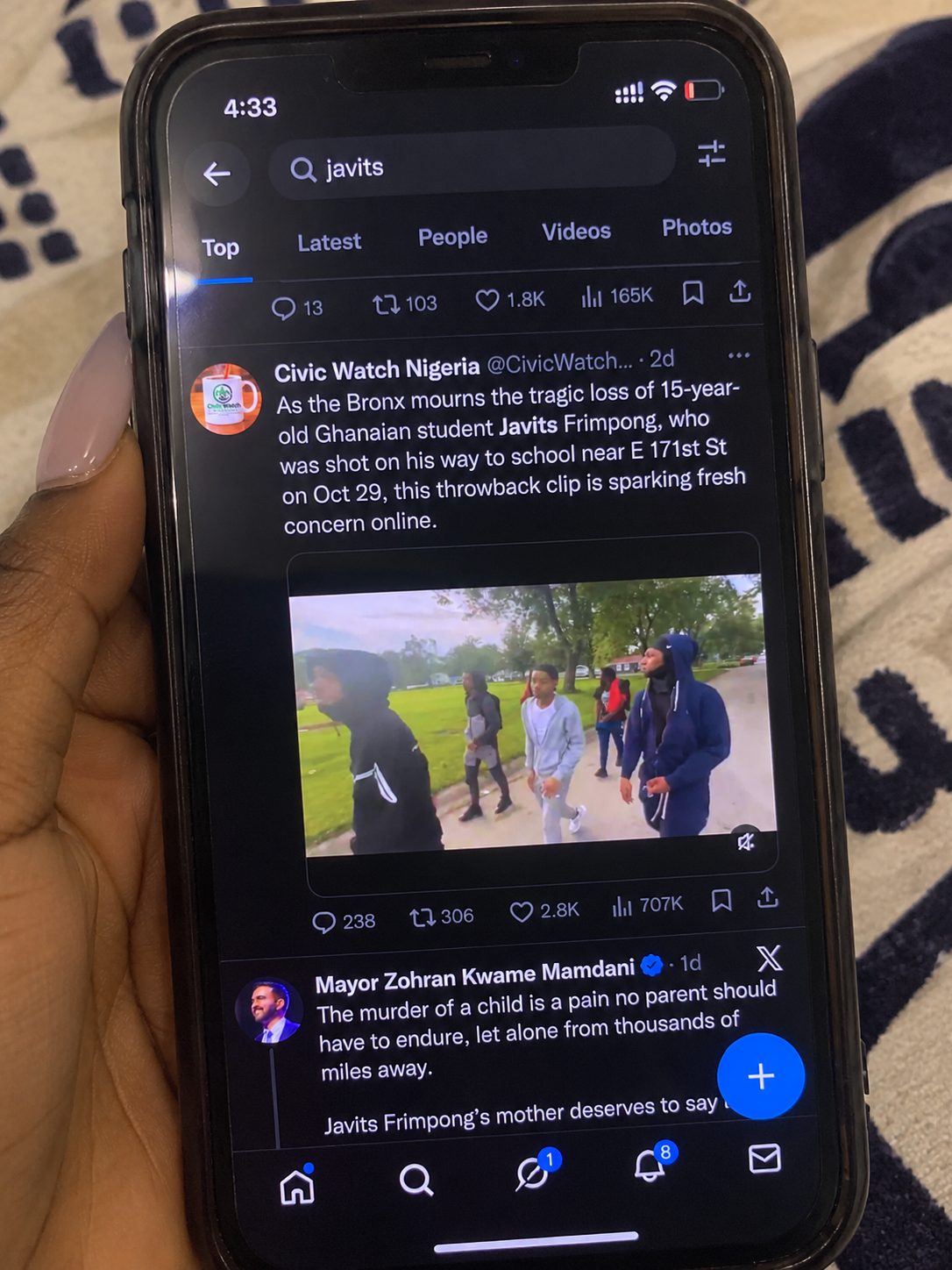
The discussion surrounding the death of 15-year-old Ghanaian student Javits Frimpong is an example of how quickly a sensitive story can attract attention online. Posts and public reactions can help people understand the conversation, but writers must be careful to distinguish confirmed information from claims and opinions.
For writers, the challenge is not simply to report what is trending. It is to turn online attention into a clear, accurate and responsible story.
- Find and confirm the original post
Before writing about a viral post, find where it first appeared. Do not rely only on screenshots or reposts shared by other accounts. They may leave out important information, including the original date, caption or identity of the person who shared it.
Look for the earliest available version of the post. Check the account that published it, the date and time, and whether the content has been changed or reposted. If the post refers to an event, look for additional reporting or an official statement that can confirm what happened.
Writers can also compare information with established news platforms such as IOL. Check whether the event has been reported elsewhere and whether the details match. If an official organisation, public institution or person involved has made a statement, that may provide useful confirmation.
Most importantly, do not treat a screenshot, a large number of views or a confident caption as proof. If the original source cannot be found or the information cannot be independently confirmed, say so clearly. It is better to explain that something remains unverified than to publish a claim as fact.
- Separate jokes, opinions and facts
Not everything shared online is intended to be taken seriously. Some posts are jokes, satire, memes or personal opinions. Others use humour or exaggerated language to attract attention. When these posts are shared without their original context, readers may mistake them for genuine news.
Writers should pay attention to the language, tone and purpose of a post. Does it come from a comedy account? Is the caption exaggerated? Is the image part of a joke or an edited trend? Could the video have been recorded at a different time or place?
It is also important to distinguish between what a post claims and what has actually been confirmed. For example, if someone makes a claim about the circumstances surrounding a death, that claim should not be presented as an established fact until it has been checked against reliable sources.
A responsible article makes the difference clear. Writers can explain that a claim is circulating online while stating whether it has been confirmed, disputed or remains unclear. This protects readers from misinformation and prevents a joke or rumour from becoming an inaccurate news report.
- Credit reactions fairly
Reactions are often a major part of viral stories. People may express concern, excitement, disappointment, criticism or sadness in the comments. These responses can help explain why a post has attracted attention, but they should be represented fairly.
Writers should not select only the most dramatic comments to make it appear that everyone shares the same opinion. A few comments do not necessarily represent the views of an entire community. If reactions are included, explain that they are examples of individual responses rather than proof of general public opinion.
Give credit to the original creator when using their public content, and identify the source of any comments or statements included in the article. Do not present another person’s words, photograph or video as your own. Avoid changing the meaning of a comment by removing important context.
Fair reporting also means respecting privacy. Do not expose private account details, personal contact information or information that could put someone at risk simply because a post has become popular. Public attention does not remove a person’s right to be treated responsibly.
- Ask three questions before publishing
Before turning a trending post into a story, a writer can pause and ask three simple questions:
- Is it important? Does the post raise an issue, share useful information or explain something people should know?
- Could it benefit or inform the public? Does covering it help readers understand an event, a concern or a wider discussion?
- Is it true? Can the main claims be supported by reliable information?
The third question is essential. A story may be entertaining or widely discussed, but it should never be presented as factual without proper checks. The first two questions help writers decide whether the story is worth pursuing and what value it may offer readers.
- Write in your own words
Once the information has been checked, organise it into a simple and understandable story. Start with what happened, explain where the information came from, and provide the context readers need. Include relevant reactions, but make sure they are accurately attributed.
Avoid copying captions, articles or comments word for word and presenting them as original writing. Use sources to understand the story, then explain the information in your own words. Direct quotations should be clearly marked and credited to the person who made the statement.
A good viral story should leave readers better informed, not more confused. Writers should also be willing to correct mistakes if new information becomes available.
Conclusion
The speed of social media makes it easy for information to spread before anyone has checked it. That is why responsible writers must do more than follow trends. They must find the original source, separate humour and opinion from verified facts, and represent people’s reactions fairly.
A viral moment may be the beginning of a story, but verification, context and responsible writing are what make it worth publishing.
Reference: IOL – South African news and current affairs
Version 1.0. LDCP Network stories are edited before publication and updated as facts change. Spotted an error? Tell our editors.